Source High Strength Long Shaft for Crushers, Robotics, and Construction
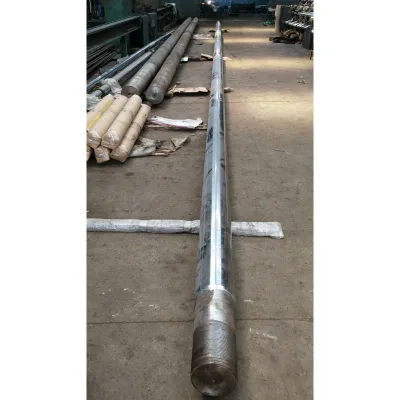
Find and compare high strength long shaft options from 30 verified suppliers. This selection covers various specifications including large and small models with customization available for industries like stone crushing, robotics, and construction.
Key considerations
Products List




Comprehensive Sourcing Guide
Strategic Sourcing Guide for High Strength Long Shafts
Understanding Technical Specifications and Manufacturing Processes
When sourcing high strength long shafts, buyers must first establish a clear understanding of the underlying manufacturing processes and technical parameters that define product integrity. The core of a high-performance shaft lies in its production method, which typically involves a combination of forging and machining followed by specific heat treatment cycles. Forging is a critical initial step, ensuring the grain structure of the steel is aligned to maximize mechanical properties. This is often followed by precision machining to achieve the required dimensional tolerances and surface finishes.
The heat treatment process is equally vital for achieving the "high strength" designation. Buyers should verify that suppliers utilize processes such as normalizing, tempering, and induction hardening. These treatments are not merely optional; they are essential for enhancing the material's ability to withstand high loads and resist deformation. The surface finish of the shaft, particularly at the journal areas, dictates the longevity and efficiency of the assembly. Acceptable surface roughness values for high-precision applications typically range from 0.63 to 0.16 micrometers, while standard industrial applications may tolerate roughness between 2.5 and 0.63 micrometers.
Dimensional accuracy is another non-negotiable aspect of the specification. For critical applications, the journal diameter dimensional accuracy should fall within the IT6 to IT01 range, depending on the specific tolerance requirements of the machinery. Furthermore, the relative position accuracy between journals must be tightly controlled, often requiring values between 0.001 and 0.005 millimeters. The shaft length can vary significantly, with some specifications allowing for lengths up to 20,000 millimeters, while others may be customized to specific project needs. The shaft type is generally straight, and the number of teeth, if applicable for gear integration, can range from 20 to 200.
Compliance, Certification, and Material Standards
Compliance with international standards is a fundamental requirement for ensuring the reliability and safety of high strength long shafts. Buyers must verify that the products adhere to recognized standards such as DIN, ASTM, GOST, and GB. These standards provide a baseline for material composition, mechanical properties, and testing protocols. Additionally, the presence of certifications like ISO (specifically noted as ISOCE or ISOCorrosion Resistance in some contexts) indicates that the manufacturer has undergone rigorous quality management audits.
Material selection is intrinsically linked to compliance. The shafts are often described as having high corrosion resistance, which is a critical attribute for applications in marine, automotive, and construction industries. Buyers should confirm that the material specifications align with the intended operating environment. For instance, shafts used in the robotics, medical, or agricultural equipment sectors may require specific grades of steel that offer a balance of stiffness and flexibility. The "Stiffness / Rigid Axle" attribute suggests that the product is designed to minimize deflection under load, a key factor in maintaining precision in high-speed machinery.
It is important to note that while some product listings mention "Large" or "Small" models, these are often relative to the application rather than a strict classification system. The "Custom" standard designation indicates that many suppliers offer tailored solutions to meet specific project requirements. Buyers should ensure that the supplier's documentation explicitly references the applicable standards for the specific batch of goods being procured, rather than relying on general claims.
Cost Drivers and Pricing Dynamics
The pricing of high strength long shafts is influenced by a complex interplay of factors, including material costs, manufacturing complexity, and logistical requirements. The observed price range in the market spans from 0.01 to 8888 USD, reflecting the vast difference between standard off-the-shelf components and highly customized, large-scale industrial shafts. The primary cost driver is the weight of the product, with many shafts exceeding 100 kilograms per piece. This significant mass impacts both the raw material cost and the shipping expenses, which are often calculated based on volume or weight.
Another significant cost factor is the level of customization. While the Minimum Order Quantity (MOQ) can be as low as 1 piece, allowing for prototyping and small-batch production, larger orders often benefit from economies of scale. However, the customization of the shaft length, diameter, and surface finish can increase the unit cost. The "OEM" model number designation suggests that many shafts are produced to specific client drawings, which adds engineering and setup costs to the final price.
Packaging also plays a role in the total cost. High-value shafts require robust protection, such as wooden cases, paper sleeves, and shockproof membranes, to prevent damage during transit. The "Export Package" standard implies that the packaging must meet international shipping requirements, which can add to the overall expense. Buyers should request a detailed breakdown of costs to understand how much is attributed to the raw material, the machining process, and the logistics.
Typical Applications and Industry Requirements
High strength long shafts are integral components across a diverse range of industries, each with unique performance demands. In the construction industry, these shafts are frequently utilized in heavy machinery such as stone crushers and grate coolers, where they must endure extreme loads and abrasive environments. The high strength and corrosion resistance of these shafts are essential for maintaining operational continuity in such harsh conditions.
The automotive and agricultural equipment sectors also rely heavily on these components. In automotive applications, the shafts often serve as drive shafts, requiring precise balancing and high torsional strength. For agricultural equipment, the shafts must be robust enough to handle the variable loads and vibrations associated with field operations. The robotics and medical industries demand even higher precision, with shafts often requiring tight tolerances and specialized surface finishes to ensure smooth, friction-free movement.
Marine applications present another critical use case, where the high corrosion resistance of the shafts is paramount to prevent degradation in saltwater environments. The ability of the shaft to maintain its structural integrity under these conditions is a key differentiator. Additionally, the "Cogged Ingot, Steel Billet, Rolling Beam, Profile, Steel Ball" product attributes suggest that these shafts may be part of a broader supply chain involving various steel products, indicating their versatility in different manufacturing contexts.
Supplier Evaluation and Selection Criteria
Selecting the right supplier for high strength long shafts requires a rigorous evaluation process that goes beyond price comparisons. Buyers should prioritize suppliers who demonstrate a clear understanding of the manufacturing processes involved, particularly the forging and heat treatment stages. The presence of in-house testing capabilities, such as Ultrasonic Testing (UT) and Magnetic Particle Testing (MT), is a strong indicator of a supplier's commitment to quality. These tests are essential for detecting internal flaws that could lead to catastrophic failure in service.
Geographic location is another factor to consider. Many suppliers are based in China, with specific hubs like Henan known for their steel manufacturing capabilities. While this can offer cost advantages, buyers must also consider lead times and logistics. The ability to provide "Customized Service" is a significant advantage, as it allows for tailored solutions that meet specific project requirements. Buyers should verify the supplier's capacity to handle the "Large" or "Small" specifications as needed, ensuring they can scale production to meet demand.
The supplier's track record in delivering products that meet international standards is crucial. Buyers should request references and case studies that demonstrate the supplier's success in similar industries. The availability of a "Standard Tolerance" or "Precision According to Drawing" option indicates flexibility, but the supplier must be able to consistently deliver to these specifications.
Quality Control and Inspection Protocols
Quality control is the backbone of a successful procurement strategy for high strength long shafts. Buyers must implement a robust inspection protocol that covers every stage of the manufacturing process. This includes verifying the raw material certificates, checking the forging and machining parameters, and validating the heat treatment results. The surface finish and dimensional accuracy must be measured using calibrated equipment to ensure they meet the specified tolerances.
The testing methods employed by the supplier, such as UT and MT, should be documented and reviewed. These tests provide critical data on the internal integrity of the shaft, ensuring there are no hidden defects. For high-precision applications, the relative position accuracy of the journals must be verified to ensure the shaft will function correctly in the intended assembly. The "High Strength" and "Medium Strength" attributes should be confirmed through mechanical testing, such as tensile and hardness tests, to ensure the material properties meet the design requirements.
Buyers should also consider the packaging quality as part of the quality control process. The use of wooden cases, shockproof membranes, and paper sleeves is essential to prevent damage during shipping. A thorough inspection upon receipt is necessary to ensure that the product has not been compromised during transit.
Long-Term Procurement and Relationship Management
Establishing a long-term relationship with a reliable supplier is essential for the consistent supply of high strength long shafts. This relationship should be built on mutual trust, clear communication, and a shared commitment to quality. Buyers should work with suppliers who offer "Customized Service" and are willing to collaborate on design improvements and process optimizations.
The ability to adapt to changing market conditions and project requirements is a key indicator of a supplier's long-term viability. Suppliers who can provide flexible MOQs and handle both small and large orders are valuable partners. Buyers should also consider the supplier's capacity for continuous improvement, including investments in new technologies and quality management systems.
Finally, buyers should maintain a proactive approach to procurement, regularly reviewing supplier performance and market trends. This ensures that the supply chain remains resilient and capable of meeting future demands. By focusing on technical specifications, compliance, and quality control, buyers can secure a reliable source of high strength long shafts that meet the rigorous demands of modern industrial applications.
FAQs
What manufacturing processes are used for high strength long shafts?
These shafts are produced using forging combined with machining and heat treatment. The process includes normalizing, tempering, and induction hardening to ensure high strength and durability for industrial applications.
Which standards do high strength long shafts typically meet?
Products generally comply with DIN, ASTM, GOST, and GB standards. Some listings also reference ISO certifications to verify quality management and material integrity for international procurement requirements.
Can I order a single piece of a high strength long shaft?
Yes, the minimum order quantity can be as low as one piece. This allows for prototyping or small-batch needs, though customization may affect the unit price and lead time significantly.
What is the maximum length available for these shafts?
The maximum length can reach up to 20,000 millimeters. Customized lengths are available to fit specific project requirements while maintaining dimensional accuracy and structural integrity.
How is the surface finish specified for journal areas?
Journal surface roughness typically ranges from 0.63 to 0.16 micrometers for high precision. Standard applications may tolerate roughness between 2.5 and 0.63 micrometers depending on the specific industrial use.
What certifications are available for these steel shafts?
Certifications include ISO standards and specific corrosion resistance validations. These ensure the material meets quality management audits and performs reliably in harsh environments like marine or construction sectors.
Where are these high strength long shafts manufactured?
The products originate from China, with specific manufacturing hubs in Henan. Buyers should verify the specific factory location to assess logistics costs and lead times for international shipping.
What packaging is used for exporting these heavy shafts?
Export packaging includes wooden cases, paper sleeves, and shockproof membranes. This robust protection prevents damage during transit for heavy items that often exceed 100 kilograms per piece.